
Siberium Saga: Mastering Faction Synergies and Strategic Progression
- 0
The realm of Siberium unfolds as a dynamic and immersive idle RPG experience where strategy, progression, and diverse aesthetics converge to captivate players. With an intricate system built around factions, every decision holds weight. The game offers a landscape where heroes are not just characters but essential gears in a finely tuned machine. At its core, the gameplay emphasizes synergy among heroes of a common lineage, unlocking hidden bonuses when aligned correctly. The allure of summoning scrolls, a resource found abundantly throughout the journey, invites newcomers to experiment. Although the early stages provide ample freedom to construct varied teams, the depth of the game encourages a methodical focus on one principal faction to maximize abilities and create a lasting impact. This multifaceted adventure continues to dazzle and test even those with the deepest expertise strategists.
Faction Mechanics and Synergies
In Siberium, each faction is designed with its own distinct mechanics that reward players for assembling a team of heroes from a single origin. Activating a faction bonus requires deploying five heroes who share the same alignment, thereby enhancing their abilities in noticeable ways. These bonuses affect various parameters, offering significant boosts such as increased health, attack, and overall damage efficiency. The game’s structure places considerable emphasis on this collective strength, which means building synergy among heroes becomes a strategic priority. Beyond the statistical enhancements, the faction system also influences the overall gameplay experience, encouraging players to weigh short-term rewards against long-term benefits strategic planning. The rewards from faction bonuses are not merely ornamental; they serve as crucial levers in progress and tactical engagements across challenging levels and multifaceted arenas.
Interplay of Faction Relationships
The interaction between factions in this realm relies on a strategic framework reminiscent of age-old competitive dynamics. A rock-paper-scissors mechanism defines how different factions interact, ensuring that each selection carries both advantages and vulnerabilities. For instance, the dynamics among factions such as Yellow and Purple provide a unique counterbalance to those themed in Blue, Cyan, and Red. Players must consider these relationships carefully, as aligning heroes solely for their intrinsic bonuses might not always yield the best counterweights against opposing teams. This layered complexity in faction relationships transforms decision making into an engaging puzzle. Understanding these inter-faction dynamics becomes pivotal, especially when facing scenarios that require quick adaptive strategies. The shifting balances ensure that no single faction remains dominant indefinitely, keeping the gameplay vibrant and consistently challenging.
Early Game Strategy: Hero Selection and Summoning Scrolls
At the onset of the game, the abundance of summoning scrolls offers a delightful experience for players keen on exploring a broad spectrum of heroes. The early game rewards exploration over strict specialization, allowing players to experiment with various heroes pulled during summoning sessions. This freedom is particularly beneficial since the Siberium Codes often provide extra scrolls, reducing the friction of early choices. Players can build teams with an assortment of heroes while gradually discerning their preferred faction based on the bonuses provided. Balancing between immediate performance and the potential for later synergy is essential. The flexibility in team composition during this phase offers both a learning curve and an evolving strategy. Each decision in these moments possesses the potential to influence later stages, where precision and powerful synergy become more paramount.
Focused Upgrading for Specialized Strengths
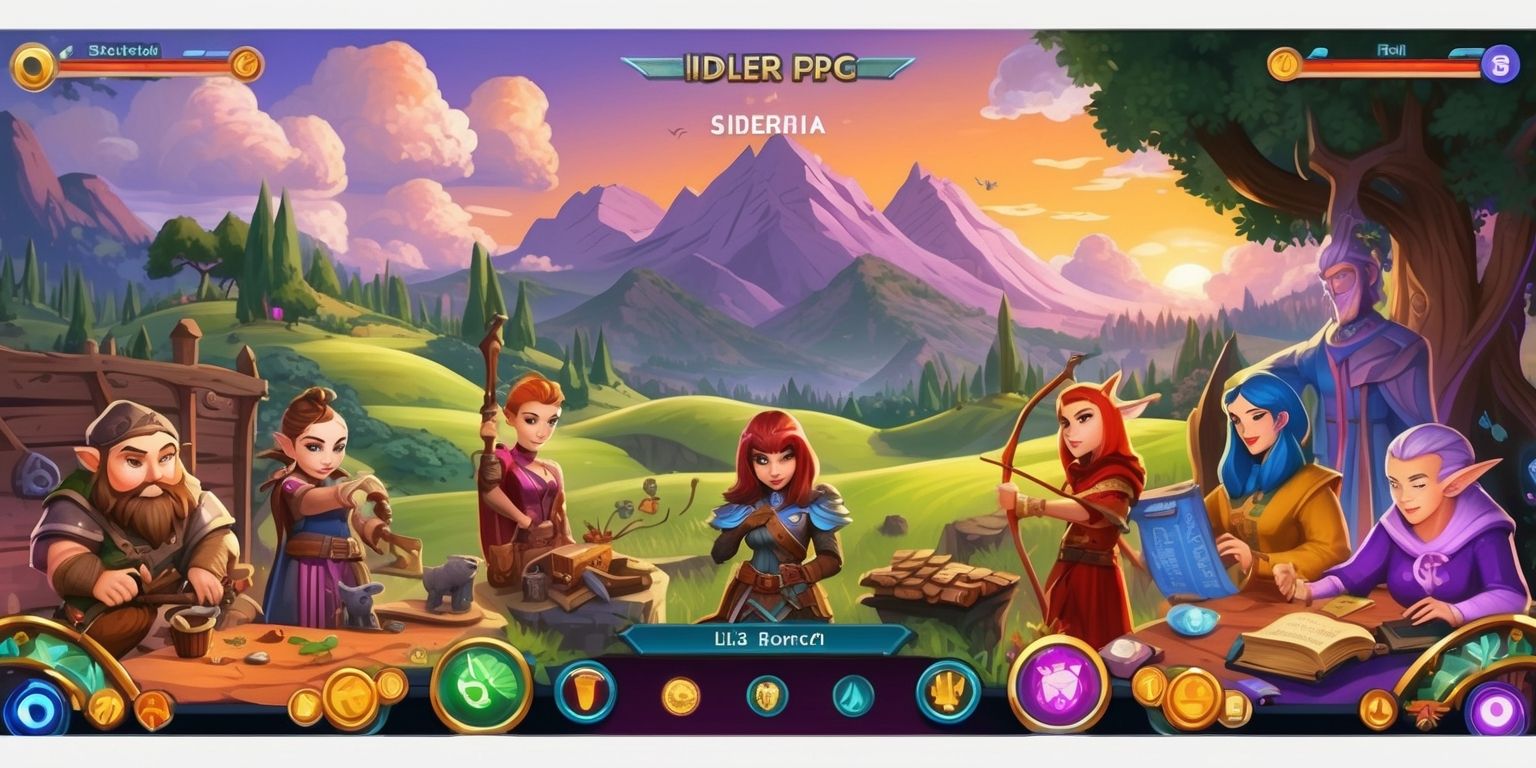
As players progress, the emphasis shifts toward fine-tuning the strengths of heroes within a chosen faction. Upgrading is no longer a random accumulation of stats; it becomes a calculated investment aimed at fully activating faction-specific bonuses. By concentrating resources on enhancing a particular group's heroes, players can unlock significant boosts that reflect in health, attack power, and damage increments. This singular focus not only elevates the individual hero's performance but also magnifies the collective potential of the squad. The progression system rewards those who remain dedicated to a specific faction, as the compounded upgrades create a formidable force against challenging adversaries and intricate endgame scenarios. Every upgrade decision, from minor stat improvements to more elaborate enhancements, forms a critical part of a broader strategy, Interlacing the threads that form the foundation of a steadfast and resilient… powerful team.
Strategic Depth in Late-Game Team Composition
In the later stages of Siberium, success hinges on careful team construction, where versatility and synergy merge to confront increasingly challenging encounters. Here, players explore the possibility of fielding multiple teams, each motivated by the unique strengths of their respective factions. Even as some players adhere to the idea of specialization, others branch out by assembling diverse squads with heroes from distinct backgrounds to harness a wider range of bonuses and skills. This multi-team approach demands a nuanced understanding of the interplay between various faction bonuses and the underlying dynamics of hero abilities. The careful curation of teams enables players to strategize against specific boss encounters and timed events. Embracing both specialization and versatility, the late-game environment in Siberium fosters a deep, strategic layer that requires continuous adaptation and foresight.
Showcase of Top-Tier Hero Excellence
Central to late-game success in Siberium is the identification and effective deployment of top-tier heroes. These exceptional characters boast the highest statistical values and the most impactful skills, making them indispensable in crucial battles and event challenges. Once players have honed in on a favored faction, these top-tier heroes become the backbone of any formidable team. Their performance is not solely a product of raw stats; it is also a testament to the careful balance maintained between individual prowess and synergy with allied heroes. Utilizing these heroes effectively involves understanding their unique role within the faction and how they complement the general strategy. As the game evolves, the prominence of top-tier heroes becomes even more significant, cementing their essential role in navigating increasingly complex encounters and providing a reliable edge in intense scenarios.
Reroll System and Its Impact on Team Optimization
The reroll mechanism in Siberium introduces an exciting layer of randomness and strategy, encouraging players to carefully weigh each decision during hero selection. This system allows for the refinement of the team composition by enabling rerolls that might yield heroes with superior stats or more advantageous skills. By engaging with the reroll feature, players gain additional opportunities to align their hero roster with the faction-specific bonuses that are critical for team synergy. The process tests players’ willingness to take calculated risks, as the decision to reroll can both enhance potential strength and require adjustments in overall strategy. The inherent variability of hero attributes ensures that each reroll is not merely a chance for improvement, but a mindful reinvestment in resource allocation. This dynamic mechanism contributes significantly to the intricate layers of strategy and the enduring replay potential of the game.
In-Game Dynamics and Tactical Engagement
The play dynamics of Siberium encapsulate a fusion of intentional strategy with agile decision-making during encounters. Every battle stage is designed to test the structural fortitude of the team, ensuring that bonus activations from homogeneous factions work synergistically with in-battle mechanics. This interplay requires players to not only construct their teams with foresight but also to adapt their approach based on unfolding battle conditions. The tactical engagements emphasize the combination of passive upgrades from hero development with active combat decisions. Moreover, the challenge ramps steadily, prompting the need for a well-balanced fusion of aggressive tactics and sturdy defense. The game's design intentionally intertwines multiple strategic dimensions—from long-term hero progression to immediate tactical responses—resulting in a gameplay experience that rewards both planning and adaptability in equal measure.
Aesthetic Appeal and Interface Design
The visual design of Siberium is both engaging and practical, marrying artistic flair with user-friendly interfaces that enhance the overall experience. Every faction is depicted with a distinctive color scheme and art style, bringing diversity and personality to the game's landscape. The interface itself has been thoughtfully engineered with a focus on clarity, allowing players to easily navigate through menus, track hero progress, and monitor faction bonuses. Elements such as summoning animations and detailed hero portraits contribute to an immersive aesthetic that complements the strategic gameplay. The integration of vibrant visuals and intuitive design allows players to quickly assess team composition and in-game statistics. This aesthetic appeal, paired with practical functionality, heightens the enjoyment of tactical planning and improves overall engagement, making every moment of play both visually and strategically satisfying.
Functionality and Resource Management
Siberium also introduces a nuanced layer of resource management that compels players to make strategic decisions about hero upgrades and team composition. Transitioning from an initial phase characterized by abundant summoning scrolls to a more deliberate phase where resources must be carefully allocated, the game cultivates a challenging environment. Each summoning session, scroll usage, and subsequent upgrade choice serves as a micro-decision point that affects long-term strategy. This aspect of functionality ensures that players remain engaged in the minutiae of building and adjusting their teams, balancing immediate gameplay needs against future potential. By requiring careful investment in hero capabilities, the game not only tests a player’s tactical acumen but also their ability to manage resources efficiently. The strategic layering of resource management adds depth, transforming Siberium from a simple tapping experience into a complex, rewarding challenge.
Layered Progression and Event Integration
Siberium’s progression system is layered in such a way that players experience both incremental growth and bursts of high-stakes challenges through special events. As players upgrade their heroes and unlock faction bonuses, new event stages and boss encounters become available, each requiring tailored strategies and quick adjustments. The integration of these events within the progression system makes every decision feel significant. Instead of linear advancement, players are treated to an evolving landscape of opportunities where each event can significantly alter gameplay dynamics. This approach keeps the experience fresh and requires continuous reassessment of tactics, ensuring that both new players and veterans face a consistently adaptive challenge. The incremental rewards obtained along the way amplify the sense of achievement while underscoring the critical role of thoughtful strategy and efficient resource allocation in the long journey ahead.